Why tiny worlds feel so big
Shrinking a photographer down in an ordinary city park turns the familiar into something vast and wondrous. Here is why we think that idea works so well.
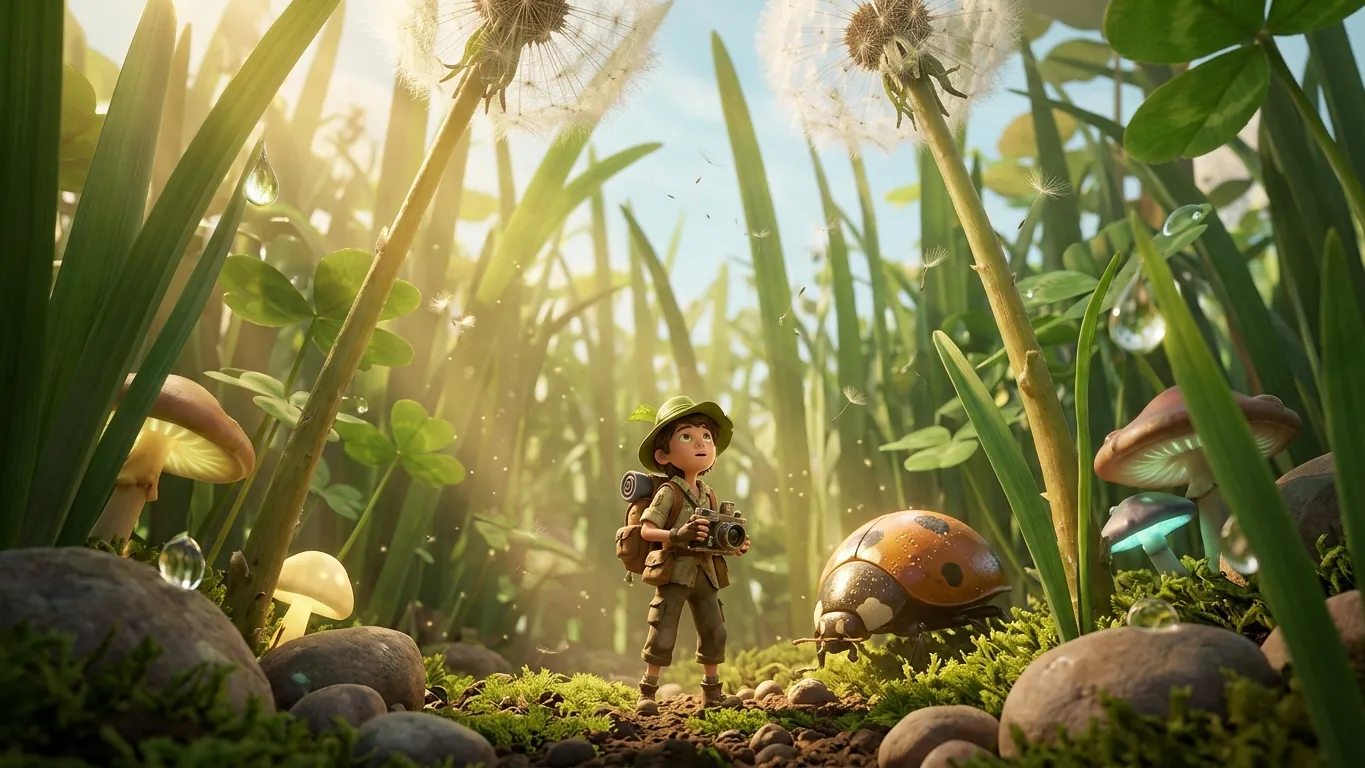
The magic of changing scale
There is something special about seeing an everyday place from a completely new size. A city park is about as ordinary a setting as you can imagine. Yet once you shrink to the size of an insect, that park becomes a world of jungles, towers and shimmering lakes.
In our view, this is the heart of the appeal. The game does not need far-off lands or fantasy kingdoms to create wonder. It simply asks you to look closer at something familiar, and the familiar becomes extraordinary.
Why it suits photography so well
Macro photography in real life is all about revealing details people usually overlook. A tiny-world game takes that idea and makes it something you can walk around inside. Instead of peering through a lens at a beetle, you stand beside it.
This makes the photographic choices feel natural. Angle matters because you can move around subjects physically. Focus matters because the world is full of layers. Timing matters because everything around you is alive. The theme and the mechanics support each other rather than feeling bolted together.
A calmer kind of adventure
Many games build excitement through speed and challenge. A tiny photography adventure offers a different kind of energy. The thrill comes from noticing, waiting and capturing a moment you might have missed.
We find that this calmer pace is part of what makes the experience feel rich. When you slow down, the park seems to expand. A single clump of grass can hold several scenes, and a few minutes of watching can reveal behaviour you did not expect. The world feels big not because it is endless, but because it is dense with detail.
Seeing the real world differently
One gentle side effect of games like this is that they can change how you look at real parks and gardens. After spending time photographing dewdrops and beetles at insect scale, it is hard not to notice them on an actual morning walk.
That is a lovely thing for a game to encourage. It invites curiosity about small things, the kind of attention that makes ordinary places feel full of life. Whether or not you ever pick up a real macro lens, that shift in perspective is a nice souvenir to carry away.
What we would love to see players explore
If this idea resonates with you, we encourage you to lean into it. Spend a session without any particular goal and simply follow what catches your eye. Climb to a high point and take a wide shot that shows how vast the grass jungle feels. Then go low and capture the tiniest detail you can find.
Putting those two photos side by side tells the whole story of a tiny world that feels enormous. And if you have your own thoughts on why this kind of game works, we would be happy to hear them through our contact form.
Related articles
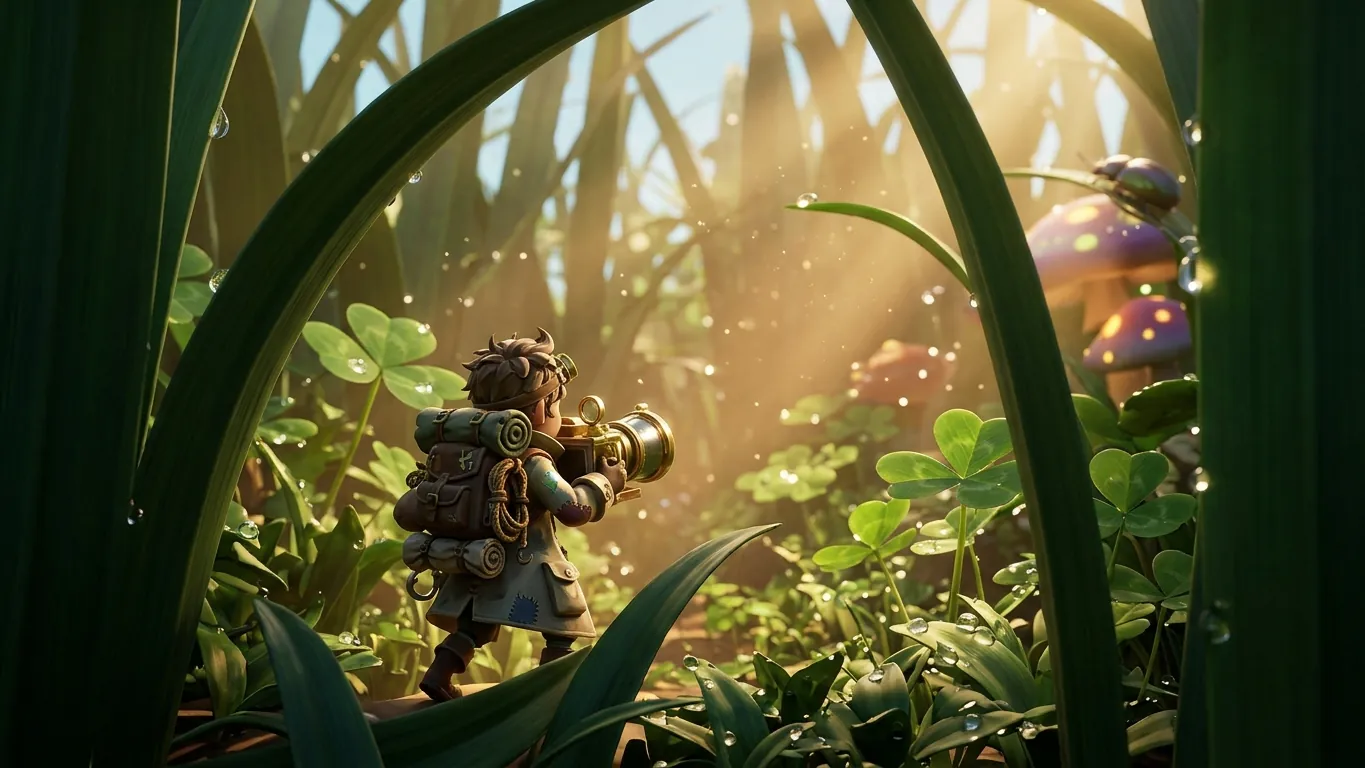 Your first morning at insect scale
New to the shrunken-photographer adventure? Learn how to read the park, move through grass jungles and take calm, confident first photos at insect scale.
Read more
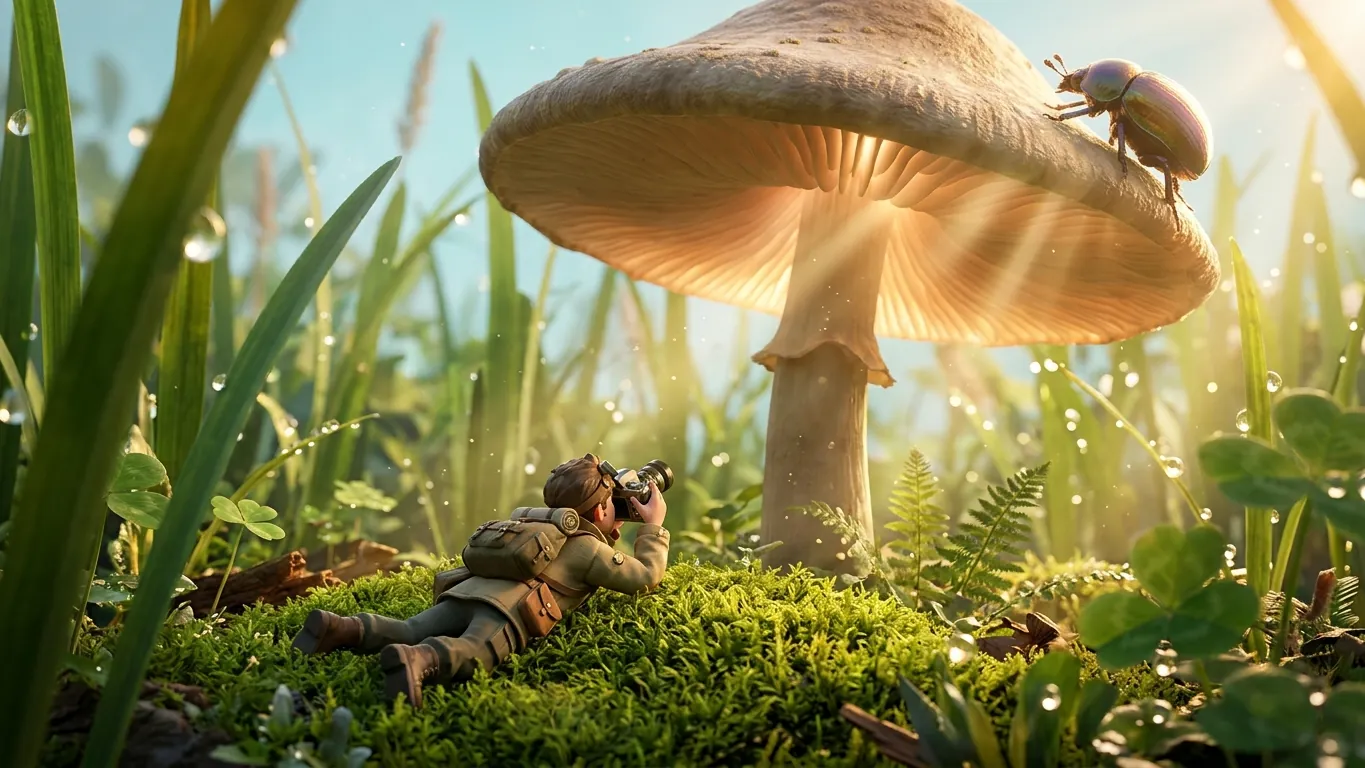 Choosing angles in a world of giants
Learn how low, high and side angles change your photos in the tiny park world, and how to use plants, light and space to frame beetles and dewdrops.
Read more
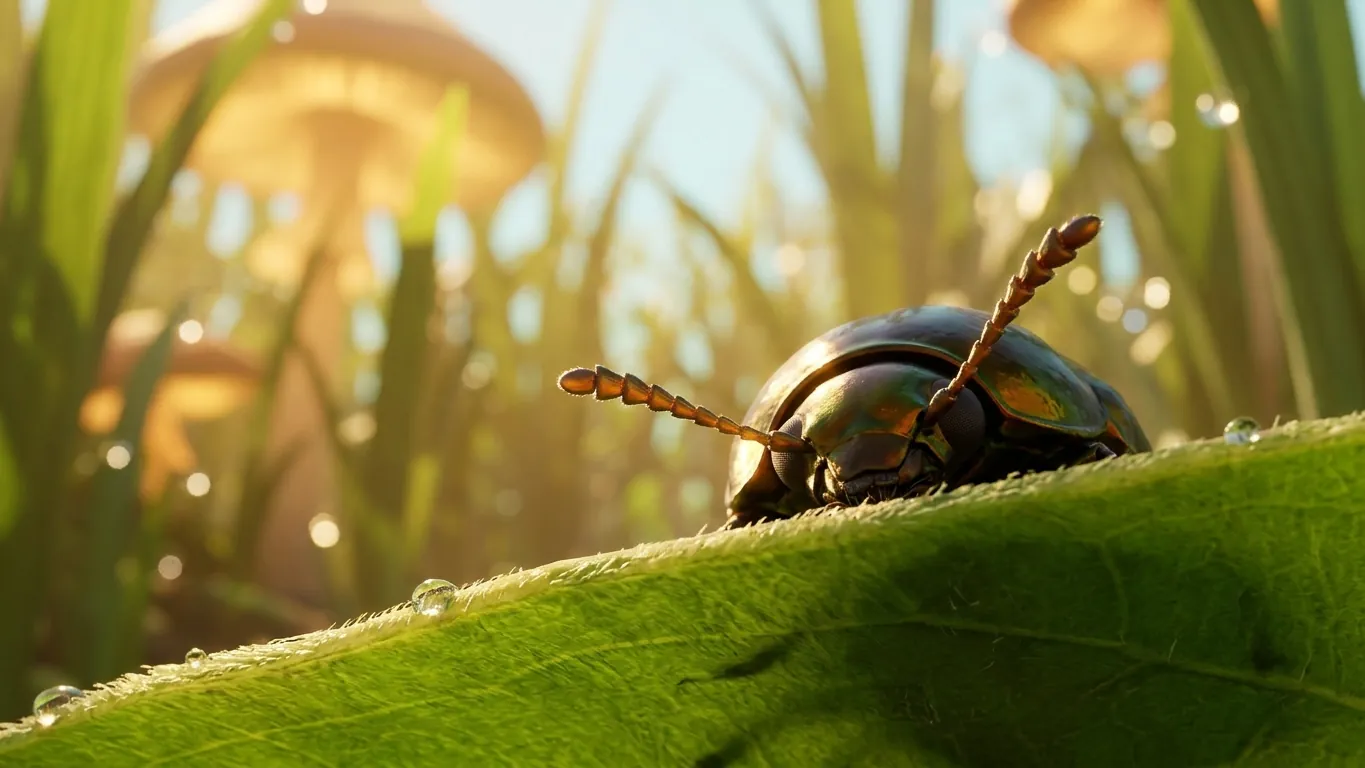 Focus and depth, explained simply
A friendly explainer on focus in the macro park game: where to place the focus point, why backgrounds blur and how to make beetles and dewdrops stand out.
Read more